
A pentest program for startups looks very different from enterprise security programs with dedicated teams and annual budgets. Here is what a practical, repeatable approach actually looks like at the seed to Series A stage.
Most founders get their first penetration test because something forced the issue. A SOC 2 auditor asked for it, an enterprise buyer put it in a security questionnaire, or an investor flagged it during diligence. The test happens, the report gets delivered, and the findings get fixed. Then six months pass, another deal or audit cycle comes up, and the same scramble starts over.
That scramble is the actual problem a pentest program for startups is meant to solve. It is not about doing more security work. It is about turning a one off event into something predictable, so the next test does not require relearning your own environment from scratch.
What a Pentest Program for Startups Actually Needs
A real pentest program for startups does not require a security hire or a formal policy binder. At the seed to Series A stage, it needs three things: a defined cadence, a consistent scope definition process, and a vendor who already understands your environment.
The cadence question comes up constantly. Annual testing is the baseline most auditors and enterprise buyers expect, and it lines up cleanly with a SOC 2 or ISO 27001 renewal cycle. But annual is a floor, not a ceiling. A recurring penetration testing schedule should also account for trigger events between annual tests, things like a major architecture change, a new customer facing feature that touches sensitive data, or a migration to a new cloud provider. Waiting a full year to test something that shipped eight months ago is how gaps get missed.
Scope definition is the second piece, and it is where startups lose the most time. Every new engagement should not start from a blank page. Keep a living scope document that lists your production assets, your API endpoints, your authentication flows, and anything explicitly out of scope, and update it as your product changes. This single document is what turns a scoping call from a two week back and forth into a same day conversation. It also keeps your testing aligned with recognized frameworks like the OWASP Top 10, which auditors and enterprise security teams recognize on sight.
Building the Vendor Relationship
The third piece, and the one founders underweight most, is vendor continuity. Switching pentest vendors every year means re-explaining your architecture, your tech stack, and your prior findings from zero each time. A firm that already has context from a previous engagement tests faster, asks sharper scoping questions, and can speak directly to what changed since the last report, which matters when an auditor or enterprise buyer asks about remediation history.
This does not mean you are locked into one vendor forever. It means the switching cost of restarting that relationship every cycle is real, and it should be weighed against whatever is driving you to look elsewhere.
When to Run Your Next Test
A pentest cadence for SaaS companies generally follows two tracks running in parallel: scheduled and trigger based.
The scheduled track is your annual test, timed to land a few weeks before your compliance renewal or your busiest sales quarter, whichever comes first. The trigger based track fires outside that schedule when something material changes: a new product line, a significant refactor of your authentication system, or an expansion into a new data type like PHI that brings HIPAA into scope.
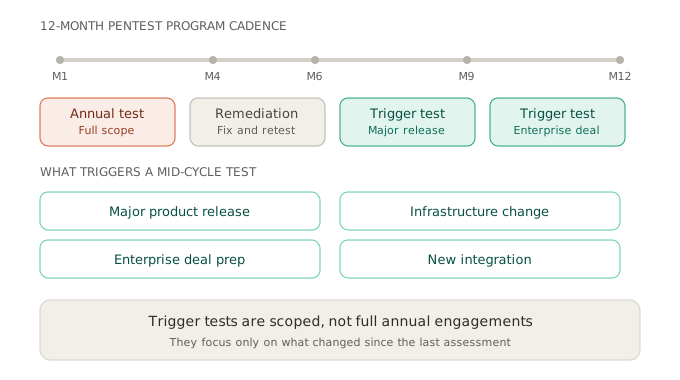
Mapping both tracks out at the start of the year, even loosely, is what makes an annual pentest schedule for a startup feel manageable instead of reactive. You are not waiting for a deal to force the next test. You already know roughly when it is coming.
Already done your first pentest? Talk to us about building a repeatable program around your audit cycle and product roadmap.
Book a call with Packet33
What Changes Between Your First and Second Pentest
The first pentest is almost always the hardest, because everything is being built at once: the scope document, the environment access, the internal understanding of what is even in production. The second test looks different, and it should.
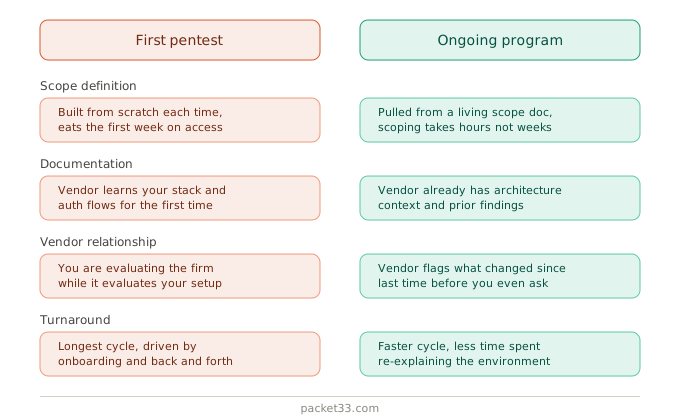
Scope gets faster to define because the living scope document already exists. Documentation gets lighter on your end because the vendor already has architecture context from the prior report. And the relationship itself shifts from a vendor you are evaluating to a partner who flags what changed since last time before you even ask. In our engagements, the second test with a returning client typically takes a fraction of the scoping time the first one did, simply because neither side is starting cold.
Keeping Compliance Evidence Current
A repeatable pentest program for startups also does double duty as ongoing SOC 2 evidence. Auditors do not just want a report from three years ago sitting in a folder. They want to see a pattern: consistent testing, consistent remediation, and a program that runs independent of whichever deal happens to be closing that quarter. Framing your pentest program this way, as an operational control rather than a one time deliverable, is what actually satisfies both an auditor and a Series B due diligence request at the same time.
Building a pentest program for startups is less about adding process for its own sake and more about removing the chaos that comes from treating every test like the first one. A defined cadence, a living scope document, and a vendor relationship that carries context forward turn what used to be a fire drill into something your team barely has to think about until the calendar tells you it is time.
Packet33 works with SaaS and HealthTech startups to build recurring penetration testing programs aligned to SOC 2, ISO 27001, and HIPAA requirements. OSCP-certified testers, transparent scope-based pricing, and reports formatted for auditors and enterprise security reviews.
Talk to us about building a pentest program for your stage.
Packet33 is a penetration testing and compliance advisory firm serving SaaS and HealthTech startups in the US, Canada, and UK.